

Can We Still Close If the Inspector Flagged the Electrical Panel?

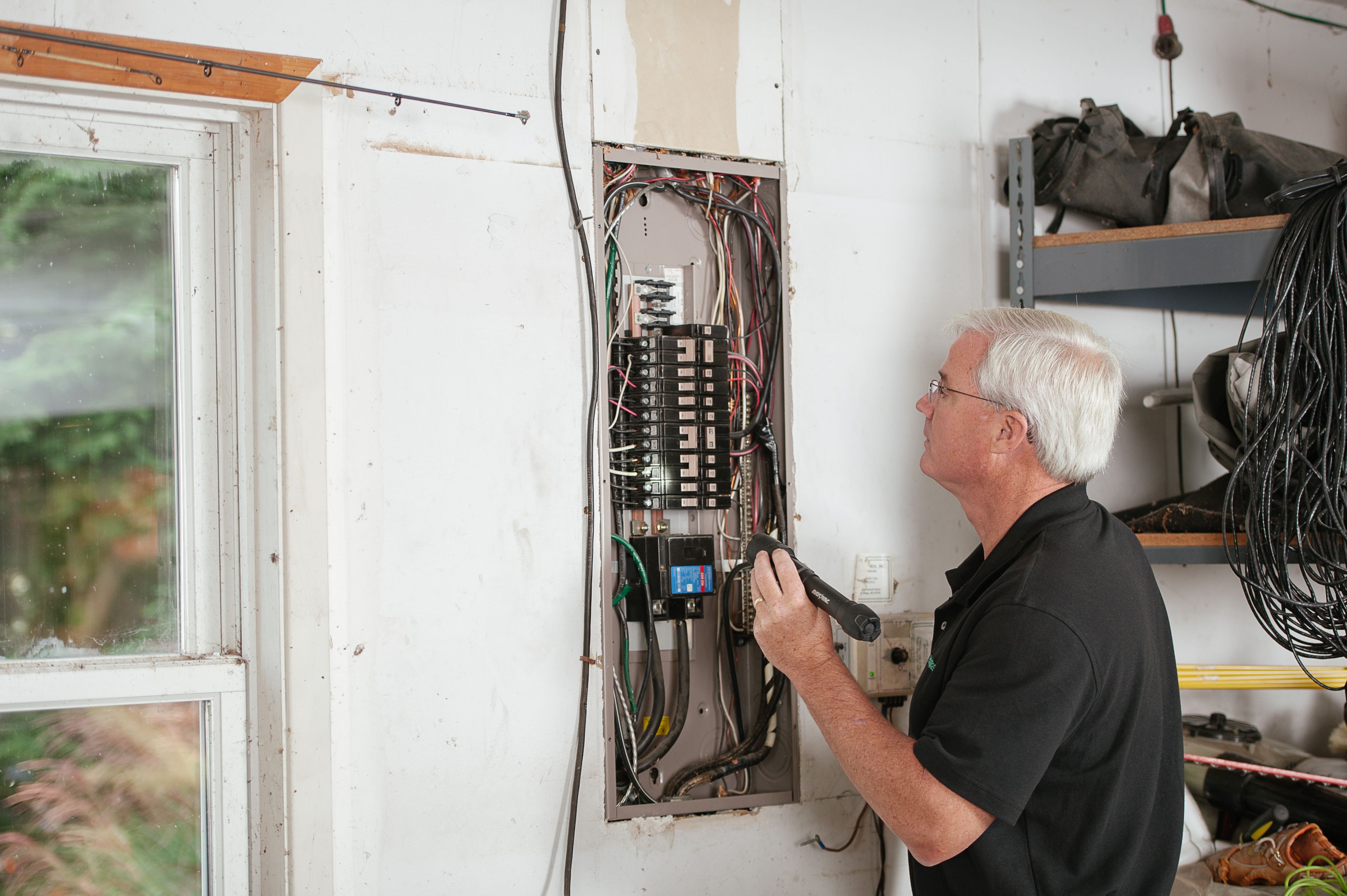
Usually, yes. An electrical panel finding on a Chattanooga inspection report feels like a deal-stopper, but in most transactions it is a repair-window item: corrected or documented by a licensed electrician, invoiced in writing, and cleared before the walkthrough. What buyers and lenders typically want is not a perfect panel — it is professional confirmation that a licensed electrician evaluated the finding and corrected what needed correcting.
What the inspector actually flagged
Panel write-ups in this market usually mean one of a handful of things: double-tapped breakers (two circuits landed on one breaker), missing GFCI protection feeding from the panel, signs of overheating or amateur work inside the cabinet, or a panel brand with a known failure history. Federal Pacific and Zinsco panels get flagged almost automatically — many inspectors note them regardless of apparent condition, and some insurers and lenders take a hard line on them.
The distinction that matters for the transaction: most panel findings are corrections, not replacements. A double-tap is often resolved by adding a breaker or a tandem where the panel is listed for one. Missing GFCI protection is outlets or breakers, not a new panel. Replacement enters the conversation mainly with the flagged brands, visible damage, or capacity problems.
What resolves it: repair, documentation, or credit
Three paths, and the repair addendum can take any of them. The seller corrects the finding before closing and provides the invoice. The parties agree the buyer will handle it after closing, priced into a credit — which still usually requires a written estimate to set the number. Or, for gray-area findings, a licensed electrician evaluates and documents that the condition is serviceable, which sometimes satisfies the buyer’s side without any work at all. In every path, the load-bearing document is the same: a written statement from a licensed electrician.
What the closing file needs
A written invoice or letter from a licensed electrician stating what was corrected, referencing the inspection item it resolves. Where the work requires a permit — panel replacement, new circuits — the permit and the inspection sign-off travel with the file. Buyers’ agents in this market increasingly ask for the license number on the paperwork; verified contractors provide it as a matter of course.
The timeline question
GFCI and breaker corrections are commonly same-week work. Full panel replacement typically runs one to two days on site once scheduled, plus the permit where required. The practical bottleneck is rarely the work — it is getting a firm written number fast enough to use in the repair negotiation. CloseReady-verified electricians work transaction deadlines and provide written estimates promptly so the number is in hand while the addendum is still being negotiated.
What it typically costs
GFCI corrections typically run $150–$600 depending on outlet count; double-tap corrections $150–$300; full panel replacement $1,800–$4,000 depending on amperage and service condition.
Typical ranges are published by CloseReady for planning purposes and reflect common pre-closing repairs in the Greater Chattanooga area. Your written quote may differ based on scope and site conditions. Every CloseReady contractor provides a written estimate.
Verified electrical contractors for closing-deadline work are listed on the CloseReady Electrical category page.