

What Is a Service Letter — and Why Your Lender Wants One

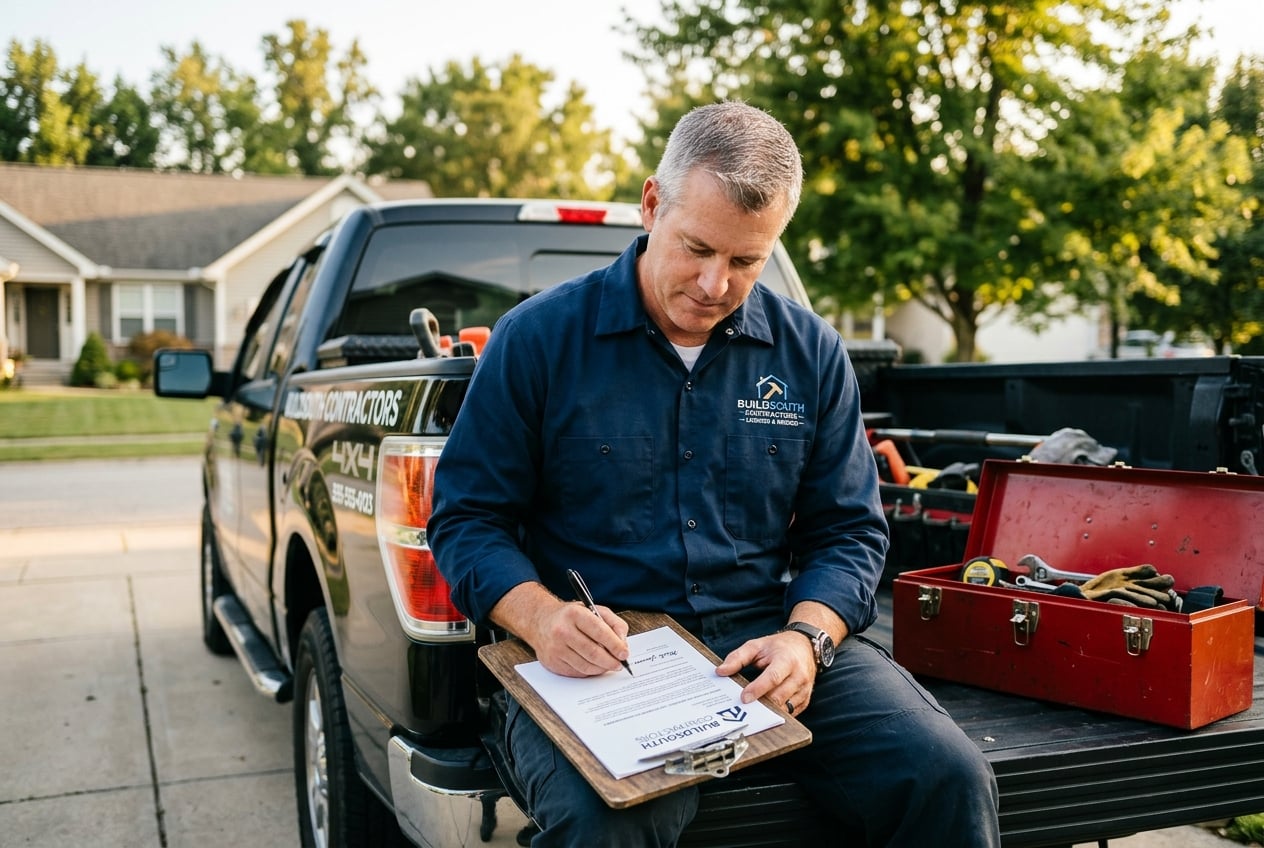
The repair is done. The seller has the receipt. Everybody exhales.
Then the underwriter asks for “a letter from the contractor,” and nobody in the transaction is entirely sure what that means. The seller says he already sent proof. The buyer’s agent forwards the invoice again. The underwriter says no, a letter. And three days evaporate over a piece of paper that should have taken twenty minutes to produce.
If you’ve been in this business more than a season, you’ve lived it. Here’s what that document actually is, why a receipt won’t substitute for it, and how to get one the first time.
A receipt proves payment. A letter proves condition.
A service letter — you’ll also hear it called a certification letter, a condition letter, or a clearance letter — is a written statement from a licensed contractor describing what they inspected or repaired, what they found, and what condition the system is in now.
That last part is the whole point. An invoice tells the lender that money changed hands. It says nothing about whether the problem is actually solved, whether the work was done correctly, or whether the system will function for the foreseeable future. An underwriter can’t lend against a receipt, because a receipt is a record of a transaction, not a professional opinion.
The letter supplies the opinion. It’s a licensed tradesperson putting their name and license number behind a statement about the property — which is exactly what the lender needs in the file.
Who’s asking, and why
Usually it’s the lender’s underwriter, working from a condition the appraiser wrote into the report. But service letters get requested from several directions, and it helps to know which one you’re dealing with:
The lender — Wants documentation that a flagged deficiency has been resolved by someone qualified to resolve it.
The insurance carrier — Increasingly the one driving roof documentation. A buyer can’t close without a policy, and carriers have gotten strict about roofs past a certain age.
The buyer’s agent — Protecting a client from inheriting a half-fixed problem.
The appraiser — On FHA and VA files especially, may need the letter as part of verifying that a repair condition has cleared.
The letters you’ll actually encounter around Chattanooga
Roof certification — Condition, leak status, and an estimate of remaining serviceable life. Often insurance-driven rather than lender-driven.
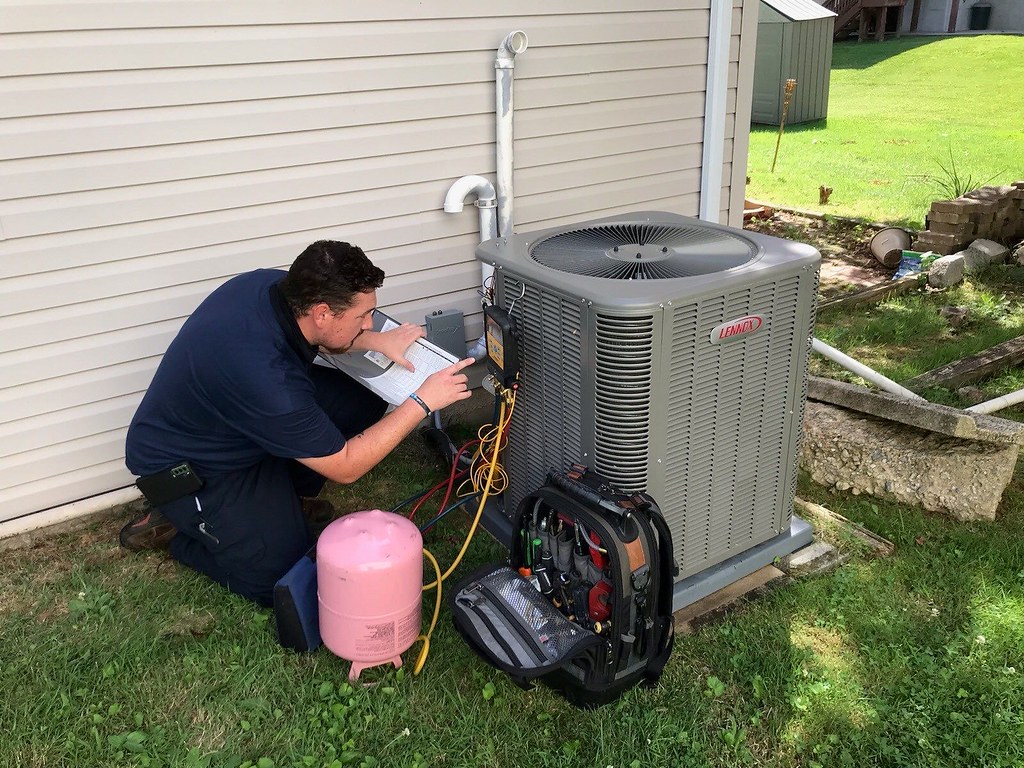
HVAC service letter — System evaluated, serviced, and operating properly through both heating and cooling cycles.
Septic inspection or pumping letter — Tank pumped and inspected, field evaluated, system functioning. Common on our rural and semi-rural properties.
Wood-destroying insect report (NPMA-33) — Tennessee sits in termite country, so this one shows up constantly, particularly on VA files. Active infestation means a treatment record and a clearance statement.
Structural or engineering letter — For foundation cracks, settlement, or crawlspace framing. Usually requires a licensed professional engineer, not a contractor — and it’s the one people most often try to shortcut.
Electrical or plumbing clearance — Panel, wiring, or supply-line work signed off by the licensed trade that performed it.
Well potability test — Water tested and safe.
What a letter needs to survive underwriting
The letters that get kicked back are almost never wrong about the work. They’re incomplete about the paperwork. A letter that clears the first time contains:
- Company letterhead with address and phone number
- License number for the trade in question
- Date of the inspection or work — not just the invoice date
- Property address, matching the contract exactly
- What was inspected or repaired, specifically
- What was found, including anything noted but not repaired
- A clear statement of condition — that the system was evaluated and is functioning properly
- A signature and the name and title of the person signing
The three reasons letters get rejected
Hedge language. “Appears to be functioning” and “seemed satisfactory” read as a professional declining to commit. Underwriters notice. A good letter states a conclusion.
Scope mismatch. The addendum says “repair moisture intrusion in crawlspace.” The letter says “installed vapor barrier.” Those may be the same thing in practice, but a reviewer comparing two documents sees a gap. The letter should speak to the language in the addendum.
Wrong signer. A handyman’s letter about electrical panel work will not clear, no matter how good the work was. If the defect belongs to a licensed trade, the letter has to come from that licensed trade.
The one question to ask before you hire anyone
Ask it at hiring, not afterward:
“Can you provide a signed letter on your company letterhead for the closing file?”
A contractor who works transactions regularly answers yes immediately, because he keeps a template on his desktop. A contractor who has never worked a closing will hesitate — and that hesitation is the most useful information you’ll get all week. It’s far cheaper to learn it on the phone Monday than to discover it on Thursday with a Friday closing.
Find contractors who already know what a service letter is.
This is precisely the gap CloseReady exists to close. Every trade in our directory works inside the closing window and understands the documentation a closing requires — roofing, HVAC, septic, pest, electrical, plumbing, crawlspace, and structural. You shouldn’t have to explain the paperwork to the person doing the work.
Repairs on a closing deadline.