

How to Write a Repair Addendum That Closes


Most repair addenda are written in a hurry, by someone with four other deals going, using whatever words came to mind at the time. Then they’re signed by two parties who each read them differently, and handed to a contractor who wasn’t in the room for any of it.
That’s the whole problem in one sentence. The addendum is a construction specification, a deadline, and a documentation requirement — and it’s usually drafted like a text message. Here’s how to write one that survives contact with reality.
A note before we start: use your broker’s or the state association’s approved forms, and take contract-language questions to your broker or an attorney. This isn’t legal advice. It’s about what goes in the blank once you’re there.
The eight things a repair addendum should nail down
1. The defect, and where it is. Name it and locate it. “Moisture in crawlspace” describes a condition; “standing water in the crawlspace beneath the northeast bedroom, as noted on page 14 of the inspection report” describes a job someone can bid.
2. The standard the work must meet. This is the most commonly missing element. Without a standard, “repaired” means whatever the cheapest available person decides it means. Reference manufacturer specifications, applicable code, or the trade’s accepted practice.
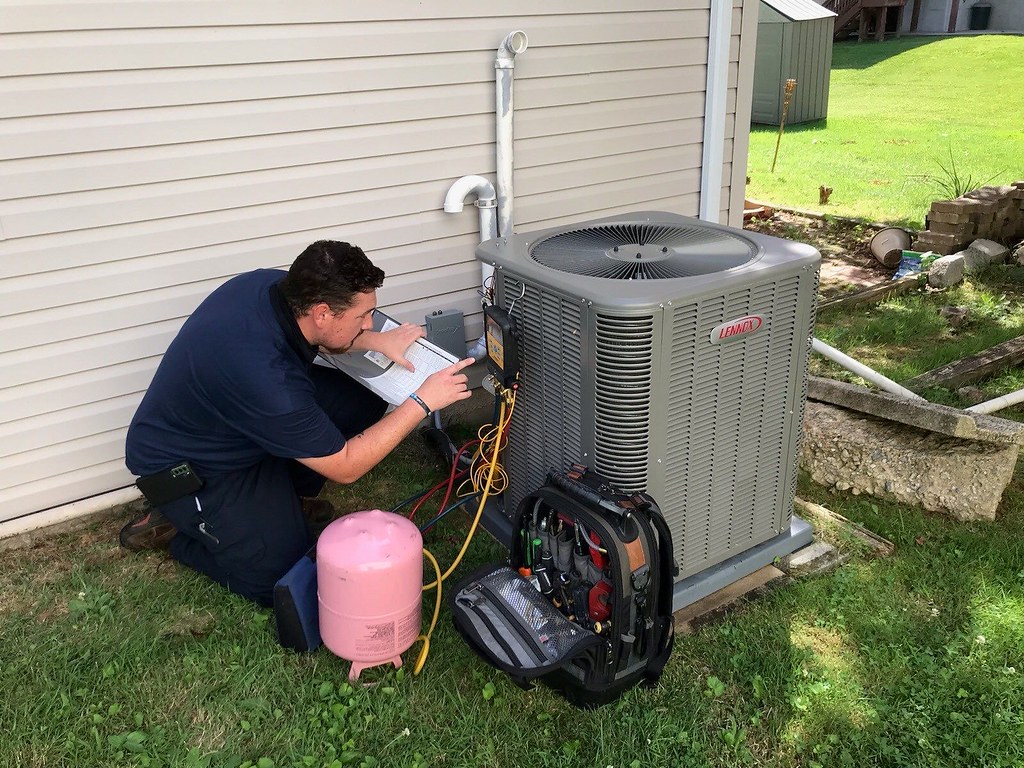
3. Who’s qualified to do it. If the repair belongs to a licensed trade, say so in writing. This single clause prevents the most common blowup in the business: work performed by a well-meaning handyman that has to be redone by a licensed contractor three days before closing.
4. The documentation you require. Decide up front whether you need an invoice, a service letter, a certification with remaining-life language, a treatment record, or a permit. Then write it into the addendum. Asking for the letter after the work is finished means the contractor has to come back out — or worse, writes something from memory that the underwriter rejects.
5. A deadline that isn’t the closing date. Make repairs due several days before closing, not the day of. This is the highest-value line in the entire document. It creates room for a rejected letter, a failed re-inspection, or a walkthrough surprise — all of which are normal, and none of which are survivable if the deadline is the closing itself.
6. The right to verify. Preserve the buyer’s right to inspect the completed work, and where a lender is involved, acknowledge that a re-inspection may be required. Verification should never happen for the first time at the final walkthrough.
7. Who pays, and how. Seller performs and pays? Seller credits at closing? Funds held? Be explicit, and get the lender’s blessing before assuming a credit is acceptable — on FHA and VA files it often isn’t.
8. What happens if it isn’t done. An obligation with no remedy is a suggestion. Spell out the consequence.
Three rewrites
Before: Seller to repair roof leak.
After: Seller, at Seller’s expense, shall repair the active roof leak above the garage identified on page 9 of the inspection report dated [date]. Work shall be performed by a licensed and insured roofing contractor in accordance with manufacturer specifications. Seller shall deliver to Buyer, no later than seven days prior to closing, a signed letter on contractor letterhead stating the leak has been repaired, identifying the work performed, and stating the roof is free of active leaks.
Before: Seller to address electrical issues noted in report.
After: Seller, at Seller’s expense, shall correct the following items noted on pages 11–12 of the inspection report dated [date]: (a) the double-tapped breaker in the main panel, (b) the two ungrounded outlets in the kitchen, and (c) the missing junction box cover in the basement. All work shall be performed by a Tennessee-licensed electrical contractor, permitted where required, with a signed invoice identifying each item corrected delivered to Buyer no later than seven days prior to closing.
Before: Seller to have crawlspace treated for termites.
After: Seller, at Seller’s expense, shall engage a licensed pest control operator to treat the property for wood-destroying insects and shall deliver to Buyer a completed NPMA-33 report and proof of treatment no later than seven days prior to closing. Any structural damage caused by wood-destroying insects shall be repaired by a licensed contractor, with documentation delivered on the same schedule.
Longer? Yes. But notice what each rewrite eliminates: the argument. Nobody has to interpret these. A contractor can bid one, a seller knows exactly what he owes, and an underwriter can check it off.
Four phrases to strike from your vocabulary
“As needed.” Needed by whom, judged how? This phrase has cost more commissions than any other four letters in real estate.
“To Buyer’s satisfaction.” It sounds protective, and it’s a trap. It hands the buyer an unlimited veto and gives the seller no way to know when he’s finished. Substitute an objective standard.
“In a professional manner.” Undefined and unenforceable in any practical sense. Name the trade and the specification instead.
“Seller to address.” Address is not a verb with a finish line.
Two habits worth building
Price it before the seller signs. Sellers routinely commit to repairs they’ve never had quoted, then feel ambushed when the number comes back triple what they pictured — and a seller who feels ambushed starts looking for an exit. One phone call for a ballpark before signature prevents a week of resentment after.
Decide credit versus repair deliberately. A credit is cleaner when the buyer is particular about workmanship and the loan permits it. Actual repair is required when a lender has conditioned the loan on it. Choose on purpose, and confirm with the lender rather than assuming.
The thing underneath all of it
A repair addendum is a promise about the future written by people who don’t do the work. Every ambiguity you leave in it becomes someone else’s judgment call — usually made under time pressure, by whoever happens to be standing in the crawlspace.
Specificity up front is the cheapest insurance in this business. It costs you fifteen extra minutes at the keyboard. Vagueness costs three days at the worst possible moment.
Written a clean addendum? Now you need someone who can execute it.
A precise addendum is only half the job — it still needs a contractor who can meet the deadline and produce the paperwork. CloseReady is a directory of licensed Chattanooga-area trades who work inside the closing window and understand what a closing file requires.
Repairs on a closing deadline.