

9 Ways Repair Addenda Kill Deals — and How to Stop It

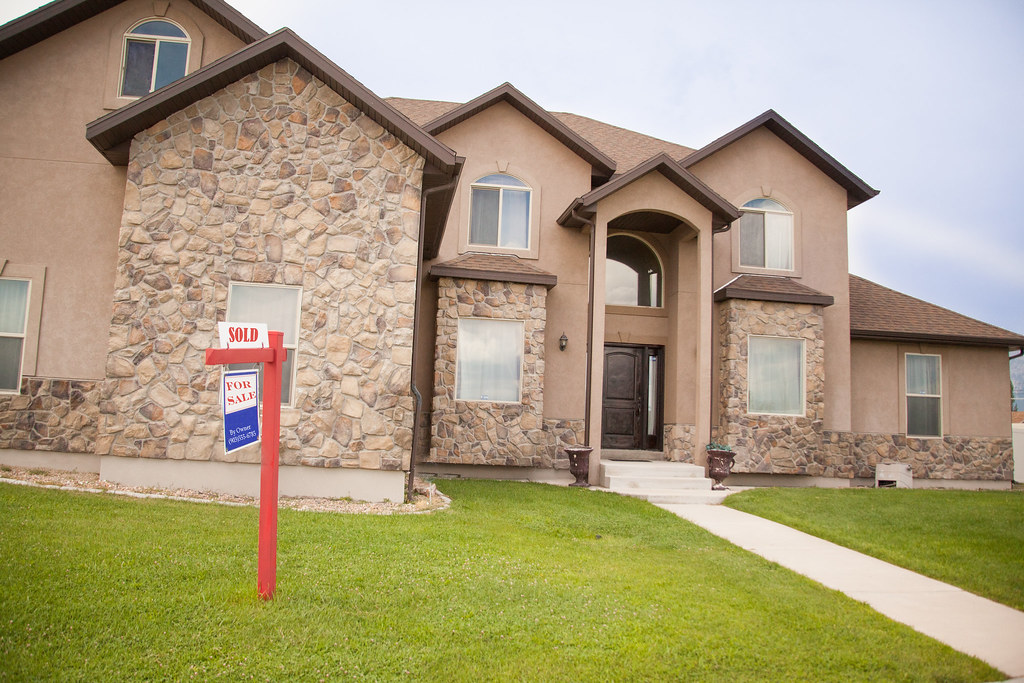
The repair addendum is the most dangerous document in a real estate transaction. Not because of what’s in it, but because of when it shows up: after everyone has emotionally committed, and before anyone has actually fixed anything. The contract survived negotiation. Now it has to survive a two-week window where strangers with ladders decide whether you close.
Here are the nine ways that window collapses — and what to do about each one.
1. The contractor who can’t come until ‘week after next’
Most contractors book jobs weeks out. Your addendum gives you days. When an agent starts cold-calling from Google, the first five companies say ‘we’re slammed,’ and suddenly half the repair window is gone before a single tool comes out of a truck.
The fix: Don’t start your contractor search when the addendum lands. Work from a list of trades who already understand closing deadlines and will prioritize transaction work.
2. The estimate that never turns into a schedule
An estimate is not a repair. Plenty of deals stall in the gap between ‘he quoted it Tuesday’ and ‘he never called back to book it.’ The seller thinks it’s handled. The buyer’s agent thinks it’s handled. Nobody owns the follow-up until day twelve.
The fix: Treat the addendum like a project with one owner. The listing agent (or a coordinator) should confirm a scheduled work date within 48 hours of acceptance — in writing.
3. Vague repair language
‘Repair moisture issue in crawlspace’ means one thing to the buyer, another to the seller, and a third to the guy under the house. Ambiguity discovered at the final walkthrough is a dead deal walking.
The fix: Write addenda that name the defect, the standard (‘per manufacturer specifications,’ ‘by a licensed electrician’), and the proof required. Specific language up front is cheaper than a lawyer later.
4. The handyman receipt for licensed-trade work
The buyer’s lender or agent asks for documentation, and the seller produces a handwritten invoice from a cousin for electrical panel work. Now the buyer wants it redone — by a licensed electrician — with three days left.
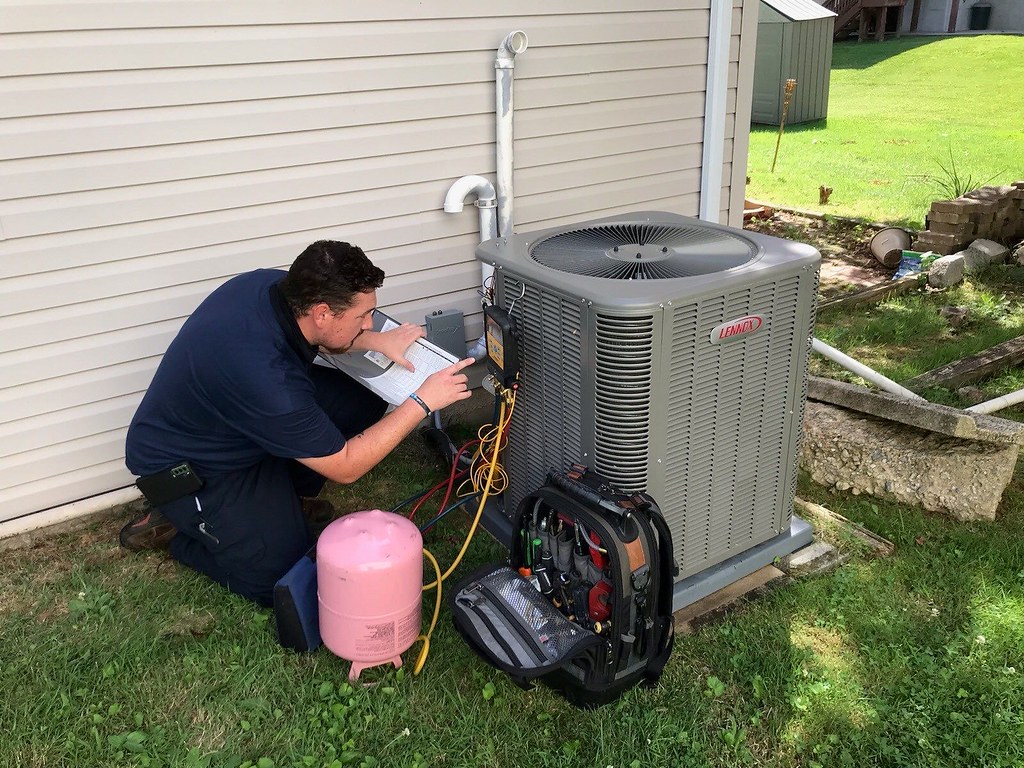
The fix: Match the trade to the repair from the start. If the addendum involves electrical, HVAC, septic, roofing, or structural work, it needs a licensed contractor whose paperwork will survive scrutiny.
5. No service letter, no closing
Lenders and buyers increasingly want more than a receipt — they want an inspection letter, a clearance letter, or a service letter stating the system was evaluated and functions properly. Plenty of contractors do great work and have no idea what a ‘letter for closing’ even is.
The fix: Ask before you hire: ‘Can you provide a signed letter on company letterhead for the closing file?’ A contractor who works transactions regularly says yes without blinking.
6. Repairs that uncover bigger problems
The roofer opens the decking and finds rot. The plumber pulls the toilet and finds a rotted subfloor. Discovery mid-repair, mid-window, with both parties already at their negotiating limit, is where deals go to die.
The fix: You can’t prevent discovery, but you can prevent panic. Build a re-negotiation reflex: get the new finding documented and priced within 24 hours, then present options (credit, price reduction, escrow holdback) instead of ultimatums.
7. The final walkthrough surprise
The work got done — sort of. Wrong scope, sloppy finish, or the fix created new damage. The buyer walks through the night before closing and everything unravels at the worst possible hour.
The fix: Never let the walkthrough be the first verification. Photos, invoices, and letters should be in both agents’ hands days before closing, and someone should lay eyes on the completed work before the buyer does.
8. Nobody priced the repair before agreeing to it
Sellers routinely sign addenda committing to repairs they’ve never gotten a quote on. Then the number comes back triple what they imagined, they feel ambushed, and they start looking for a way out of the whole deal.
The fix: Get a fast ballpark from a real contractor before the seller signs. An hour of diligence prevents a week of resentment.
9. The appraisal-required repair with no fast option
FHA and VA deals can come back with lender-required repairs — peeling paint, missing handrails, safety items — that must be completed and re-inspected before closing. The clock on these is brutal, and the seller often shrugs: ‘not my problem.’
The fix: Know which contractors will take small, weird, deadline-driven jobs. Most won’t roll a truck for a $400 handrail. The ones who will are worth their weight in commissions.
The pattern behind all nine
Notice what every failure has in common: it’s not the repair that kills the deal. It’s the scramble — the wrong contractor, found too late, unfamiliar with what a closing actually requires.
The punch list is due Friday.
That’s exactly why we built CloseReady — a directory of licensed repair contractors across the Greater Chattanooga area who work inside the closing window. Crawlspace, roofing, HVAC, septic, electrical, plumbing, pest — trades who understand repair addenda, provide service letters and sign-offs, and treat your deadline like their deadline.
Stop cold-calling and start closing.